
Live market · Eight open rounds
Invest in the
company making life
multiplanetary
Trade a fractional position in SpaceX and its programs — go long or short, run options, copy top desks, and reserve your IPO allocation. Deposit in dollars or Bitcoin and track every position live.
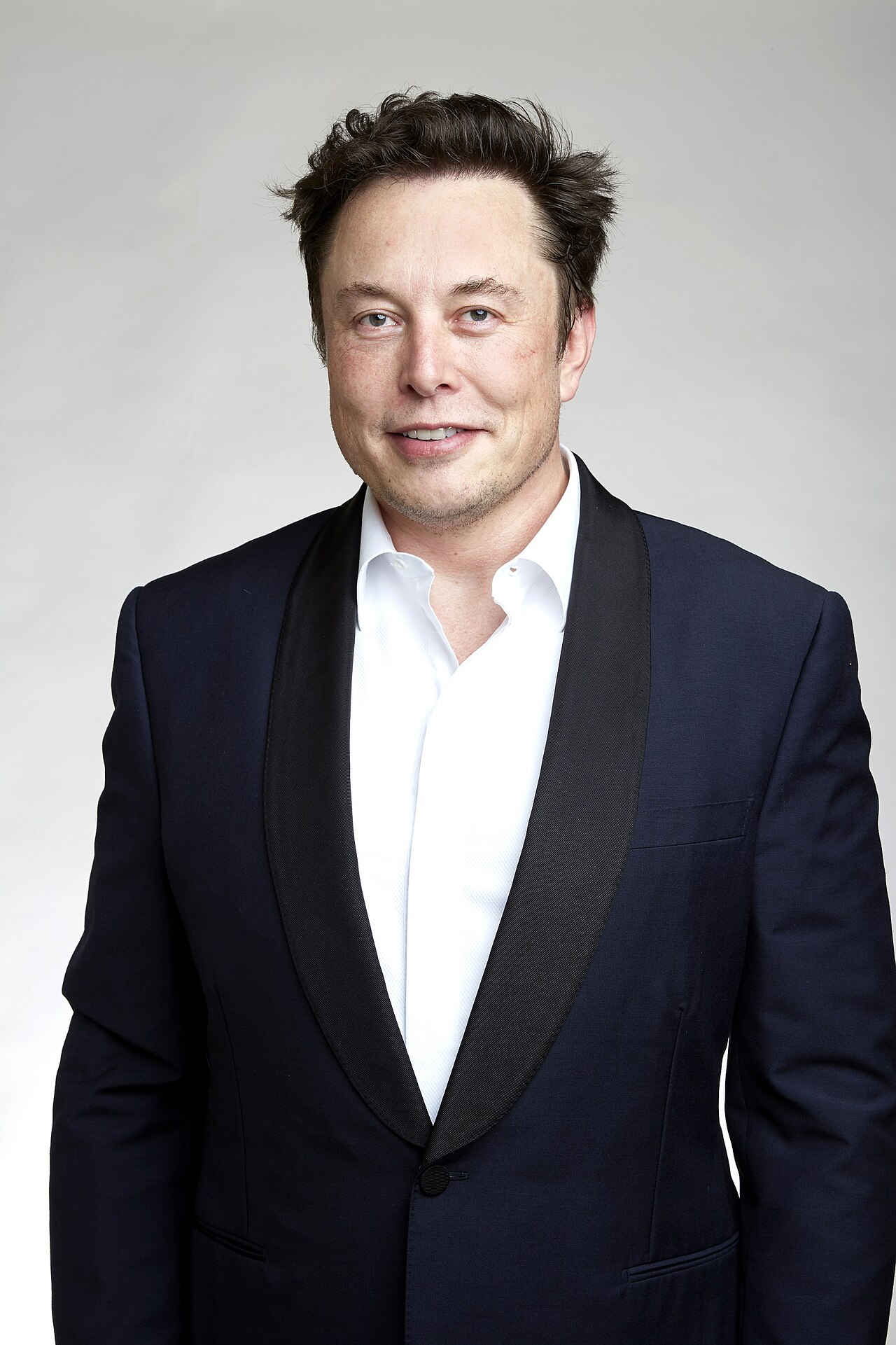
Elon Musk
Founder, CEO & Chief Engineer
Why SpaceX
“When something is important enough, you do it even if the odds are not in your favor.”
Launch is the business; Mars is the point. Reusable rockets and Starlink throw off the cash that funds the hardware to make humanity multiplanetary — and every program on this platform is a way to hold a piece of that.
A backup drive for consciousness
A self-sustaining city
Fly, land, refuel, repeat
Live markets
Trade these markets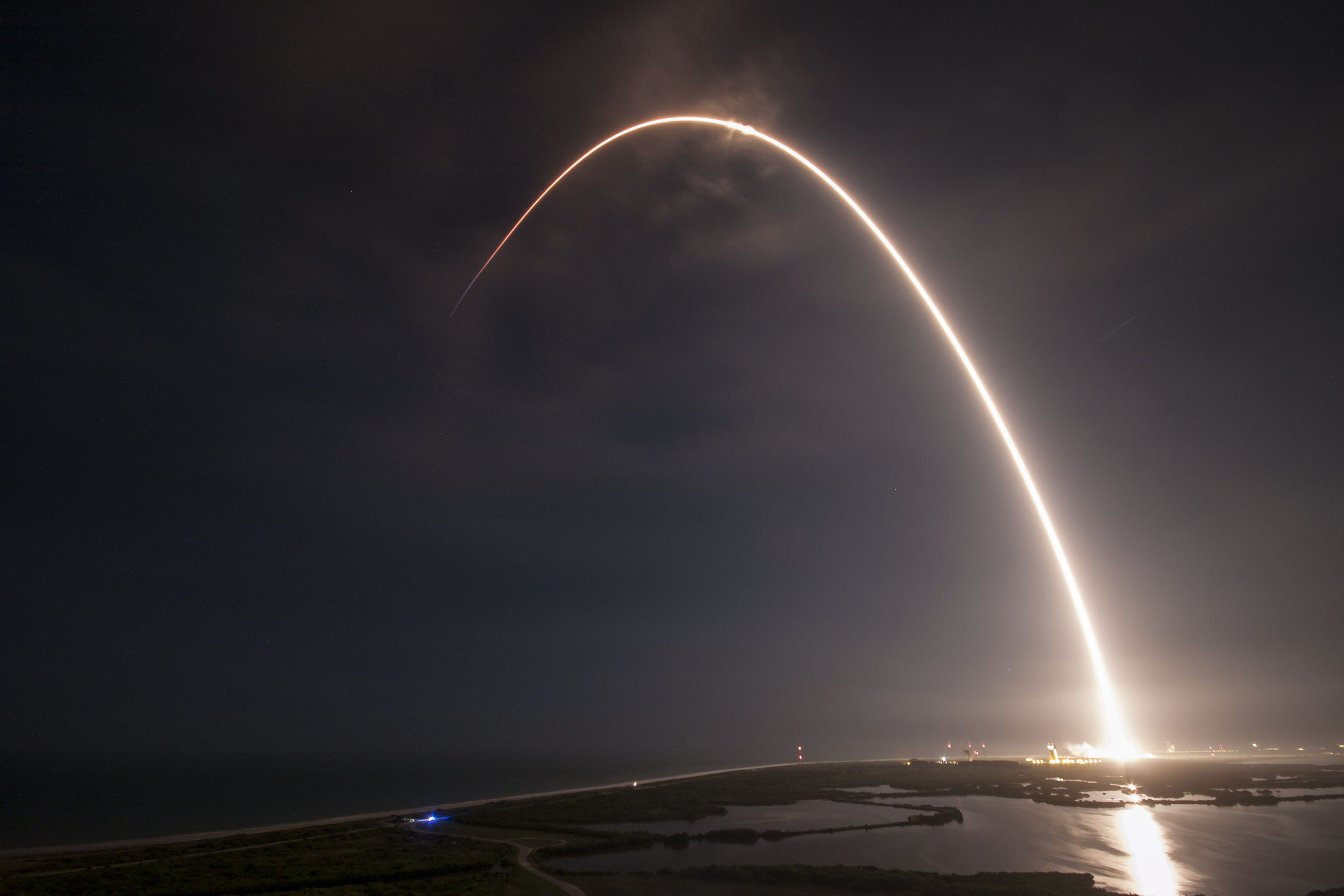
Orbital-class · Reusable
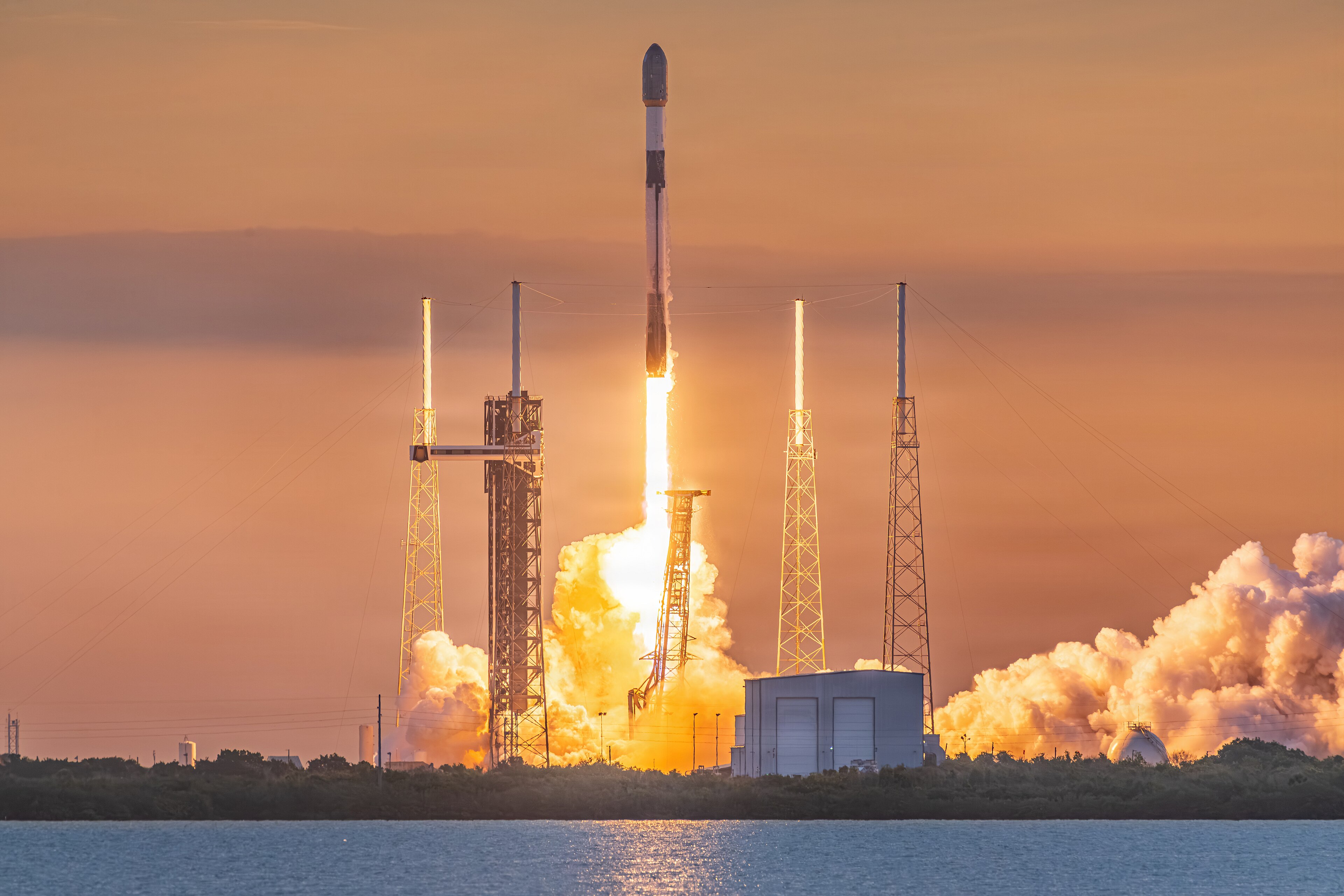
Falcon 9
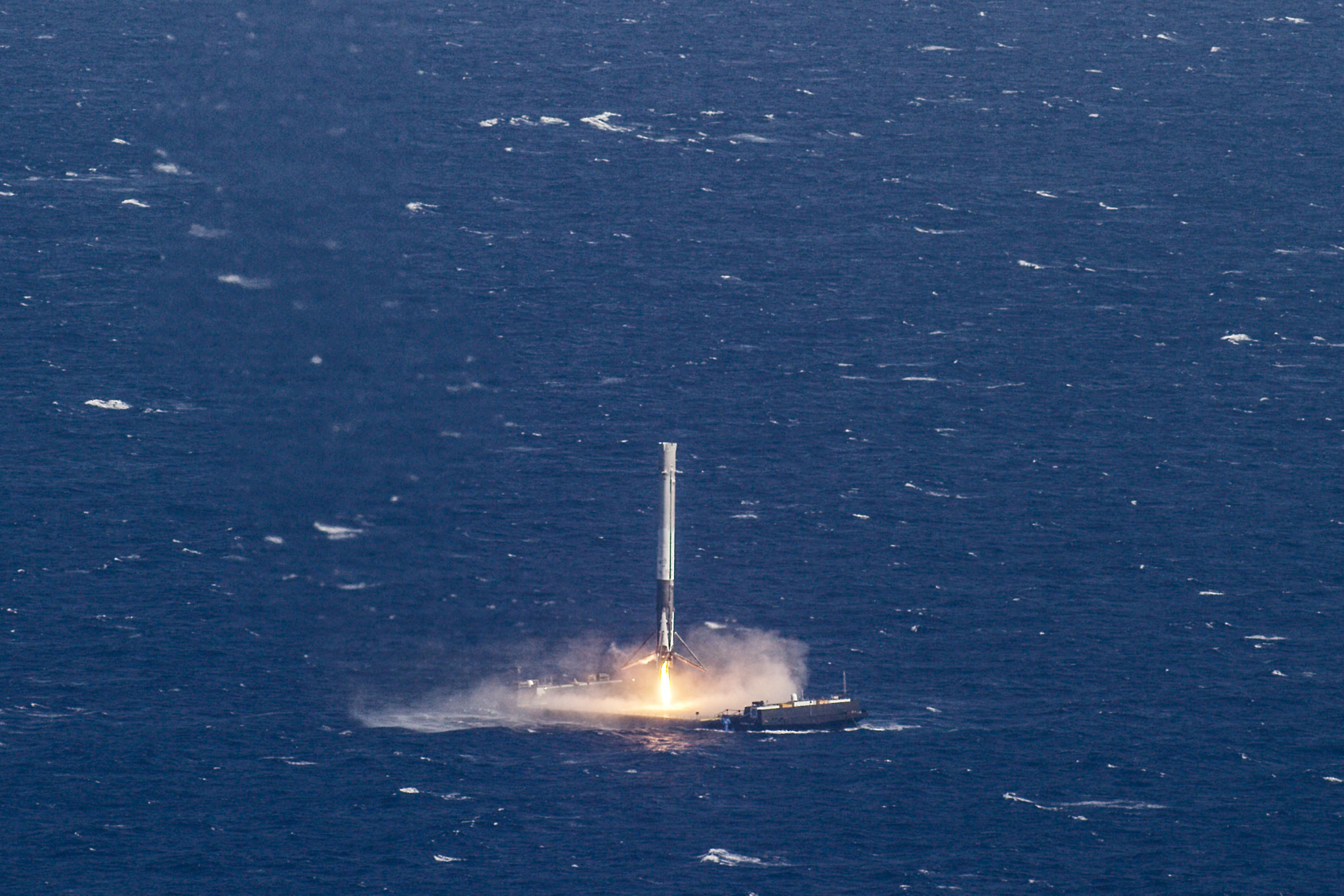
The first orbital-class rocket capable of reflight. Falcon 9 lands its first stage on land or on an autonomous droneship, refurbishes it, and flies it again — the single change that reset the cost of reaching orbit.
Nine Merlin engines lift the vehicle off the pad; the same booster returns minutes later under its own power. Boosters have now flown well into the double digits individually, and the fleet sustains a launch cadence no other provider has matched.
- Height
- 70 m
- Diameter
- 3.7 m
- Payload to LEO
- 22,800 kg
- Payload to GTO
- 8,300 kg
- First-stage engines
- 9 × Merlin 1D
- First landing
- December 2015
Heavy lift · Triple core
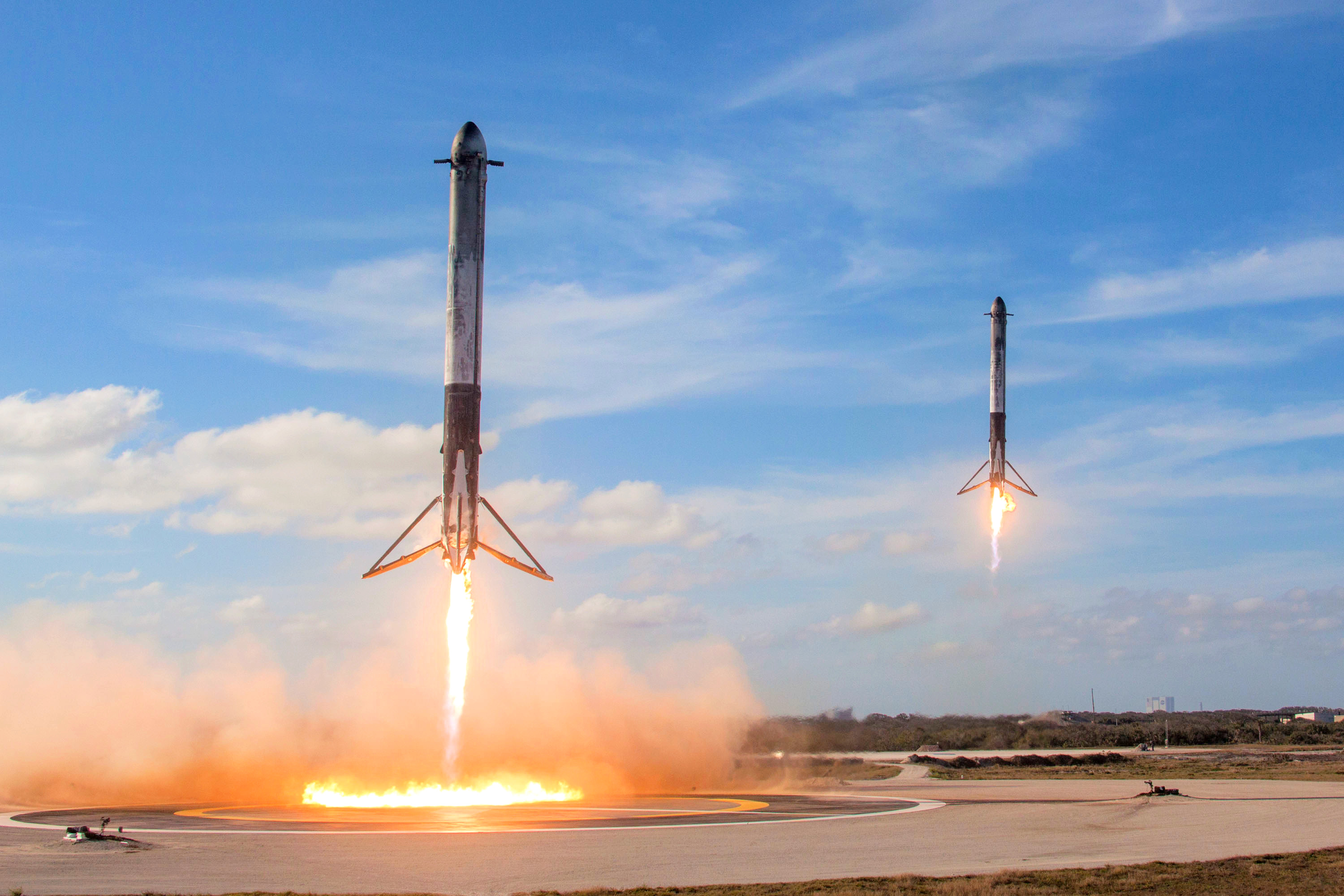
Falcon Heavy
Three Falcon 9 first stages bolted together — twenty-seven Merlin engines generating more than five million pounds of thrust at liftoff.
On its debut the two side boosters returned to Cape Canaveral and touched down side by side, seconds apart. Falcon Heavy opens the heaviest commercial and national-security payloads, direct-to-GEO insertions, and interplanetary trajectories.
- Height
- 70 m
- Liftoff thrust
- 5.1M lbf
- Payload to LEO
- 63,800 kg
- Payload to Mars
- 16,800 kg
- Engines
- 27 × Merlin 1D
- First flight
- February 2018
Human spaceflight
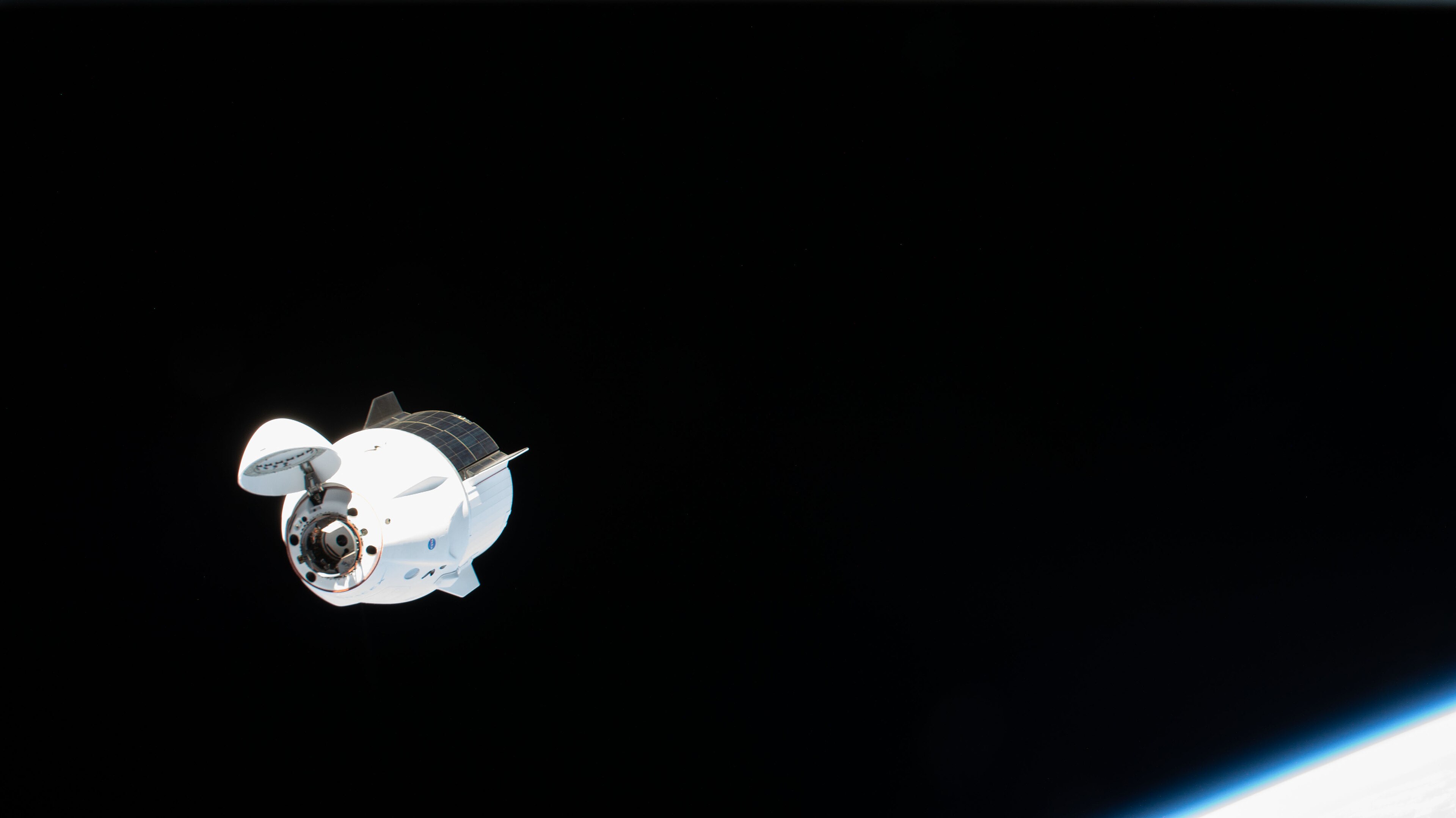
Dragon
The only American spacecraft currently flying astronauts to the International Space Station — and the first commercial vehicle in history to do it.
Dragon carries up to seven crew, docks with the station autonomously, and returns to a water landing under parachutes. The cargo variant has resupplied the ISS since 2012. Private crewed missions now fly on the same airframe.
- Crew capacity
- Up to 7
- Trunk volume
- 37 m³
- Return payload
- 3,000 kg
- Docking
- Fully autonomous
- First crewed flight
- May 2020
- Reusability
- Capsule reflown
Fully reusable · Mars-capable
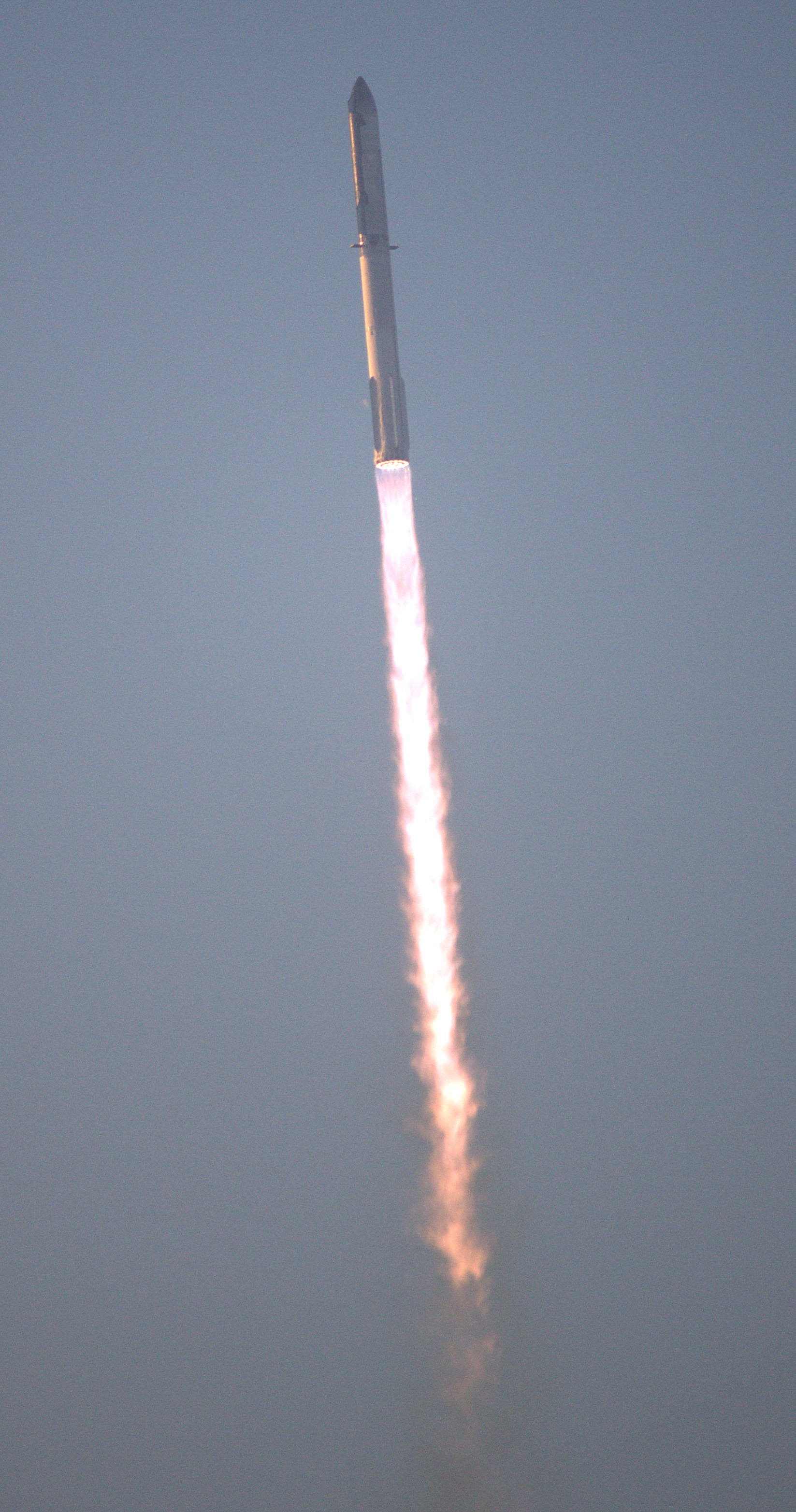
Starship
The largest and most powerful launch vehicle ever built — and the first designed to be fully and rapidly reusable, booster and ship alike.
Super Heavy lifts the stack with thirty-three Raptor engines, then returns to the launch site to be caught by the tower arms. Starship continues to orbit. Built from stainless steel and running on methalox — a propellant that can eventually be manufactured on Mars — it is the vehicle the entire Mars architecture depends on.
- Stack height
- ~121 m
- Booster engines
- 33 × Raptor
- Payload to LEO
- 100–150 t
- Propellant
- Liquid methane / LOX
- Structure
- Stainless steel
- Recovery
- Tower catch
Propulsion
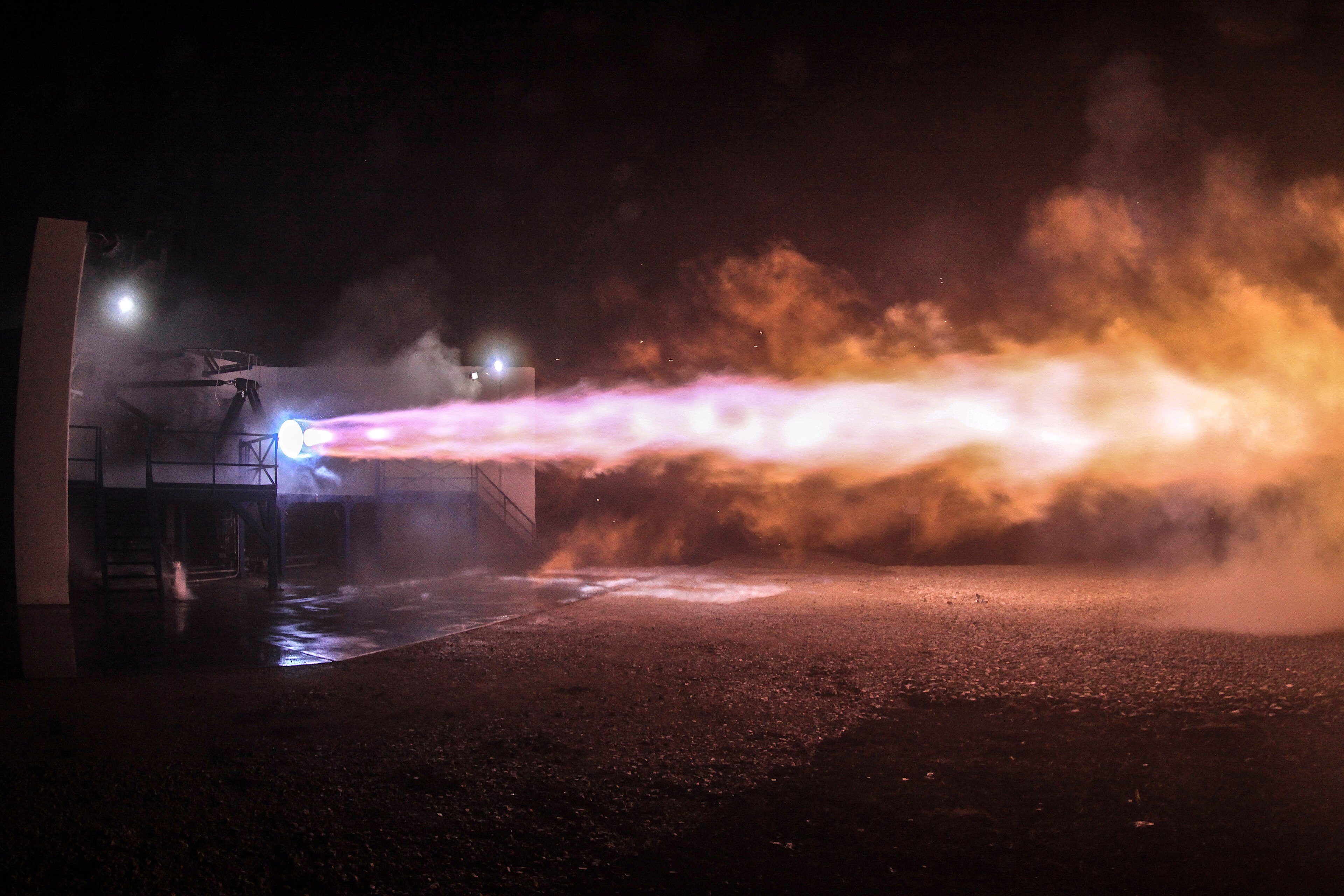
Raptor
A full-flow staged-combustion engine burning liquid methane and oxygen — a cycle only a handful of engines in history have ever flown.
Thirty-three of them lift Super Heavy. They are built in-house, at rate, on a production line that treats engines as a manufactured product rather than a bespoke artefact. That is what makes a fully reusable vehicle economically possible.
- Cycle
- Full-flow staged
- Propellant
- CH₄ / LOX
- Engines per booster
- 33
- Reusable
- Yes
Recurring revenue
Starlink
Thousands of satellites in low Earth orbit delivering broadband to places terrestrial infrastructure was never going to reach — rural homes, ships, aircraft, disaster zones and front lines.
Because the constellation flies at roughly 550 km rather than geostationary altitude, latency lands in the range of terrestrial connections instead of the half-second lag legacy satellite internet is known for. Each subscriber is a recurring monthly relationship — and the launches are flown by the company's own rockets, at cost.
- 7,000+
- Satellites in orbit
- 100+
- Countries served
- ~550 km
- Orbit altitude
- 20–40 ms
- Typical latency
Destination
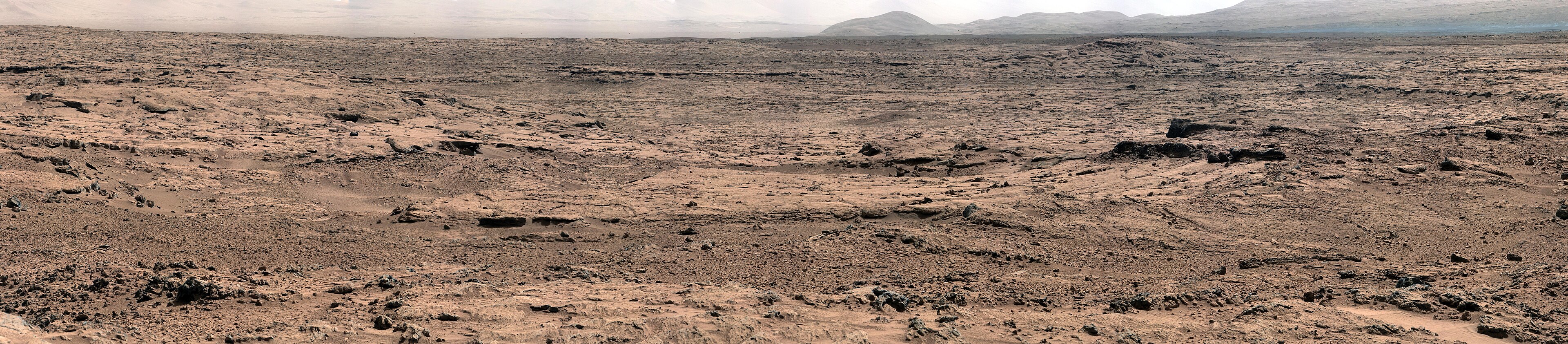
A city, not a footprint
Self-sustaining means it survives if the ships from Earth stop coming. That is the bar.
Track record
Two decades of firsts
Founded with the stated goal of reducing space transport cost and enabling Mars settlement.
Falcon 1 reaches orbit on its fourth attempt — the first privately developed liquid-fuel rocket to do so.
Dragon becomes the first commercial spacecraft to deliver cargo to the ISS.
Falcon 9 lands its first stage back at Cape Canaveral. Reuse stops being theoretical.
Falcon Heavy debuts; both side boosters land simultaneously.
Dragon carries NASA astronauts to orbit — the first crewed flight from U.S. soil in nine years.
Starlink scales to thousands of satellites and millions of subscribers worldwide.
Starship flight testing continues toward orbital reuse, lunar landings and Mars.
The opportunity
What you get
Reported valuation marks over the last several years, illustrating the trajectory this platform models exposure to.
Reported valuation — USD billions
Figures are widely reported private-round and tender marks, in USD billions, shown for illustration only. Past movement is not a forecast.
Access normally reserved for institutions
Private companies of this scale raise from venture funds, sovereign wealth and a short list of insiders. This platform models what fractional retail access to those same programs would look like.
Revenue that already exists
Launch services and Starlink subscriptions are real, recurring lines of business — not pre-revenue speculation. Cash from them funds the harder frontier work.
Optionality on the frontier
Starship and Mars are long-duration, high-variance bets. Holding them alongside cash-flow programs is how you carry that exposure without betting everything on it.
Exit paths
A Starlink separation has been discussed publicly for years and is the most-cited liquidity event for holders of this kind of exposure.
Open programs
Eight ways in
From weekly-cadence launch services at the low-risk end to the Mars fund at the far end of the curve. Every position is fractional — you set the amount.
Starship Program
STRSHP — Flagship Vehicle
The fully reusable super-heavy launch system built to carry crew and cargo to Earth orbit, the Moon, and Mars.
- 150 t payload to LEO, fully reusable
- Backlog of lunar & commercial flights
- Rapid-reflight economics
Starlink Broadband
STRLNK — Recurring Revenue
A low-Earth-orbit constellation delivering high-speed internet to millions of subscribers worldwide.
- 6,000+ satellites operational
- 5M+ subscribers across 100+ countries
- Predictable subscription revenue
Falcon 9 Launch Cadence
FLCN9 — Launch Services
The workhorse reusable rocket with the highest launch cadence in history and a deep commercial manifest.
- 300+ successful missions
- Booster reuse under 30 days
- Diversified customer base
Dragon Crew & Cargo
DRGN — Human Spaceflight
The only U.S. spacecraft flying astronauts to the ISS, plus private crewed missions and cargo resupply.
- Multiple NASA contracts
- Autonomous docking & reentry
- Private astronaut demand rising
Raptor Engine Works
RPTR — Propulsion
Full-flow staged-combustion methalox engines produced at scale — the heart of Starship and Super Heavy.
- Highest thrust-to-weight class
- Designed for Mars-made propellant
- Vertically integrated production
Starshield Defense
SHLD — Government / Defense
Secure, hardened satellite services for national-security customers built on the Starlink platform.
- Encrypted government payloads
- Long-duration contract pipeline
- Resilient mesh architecture
Mars Colonization Fund
MARS — Frontier / Venture
A long-horizon fund backing the propellant depots, habitats, and surface systems for a self-sustaining Mars city.
- Frontier upside, frontier risk
- In-situ resource utilisation R&D
- The multi-planetary thesis
Lunar Gateway Logistics
LUNAR — Cislunar
Cargo and crew logistics supporting a sustained human presence in cislunar space and on the lunar surface.
- Human Landing System heritage
- Recurring resupply demand
- Deep-space refueling upside
How it works
Four steps to a position
Open an account
Two fields and a password. Takes under a minute to get started.
Fund the balance
Deposit into available cash. Your balance, positions and net worth are tracked separately and update instantly.
Back a program
Choose across eight programs and four risk bands. Commit any amount — units are fractional.
Hold or exit
Watch positions move against what you paid. Sell back to cash whenever you want, then withdraw.
Questions
Read this part
Especially the first two answers.
Is this affiliated with SpaceX?
No. SpaceX Invest is a fictional product built as a design prototype. It is not affiliated with, endorsed by, sponsored by or connected to Space Exploration Technologies Corp. in any way. All names, vehicles and marks referenced belong to their respective owners.
Is real money involved?
No. Your balance, deposits, withdrawals and holdings are simulated and stored only in your own browser. Nothing is transmitted anywhere, no securities are offered or sold, and no account can be funded with real currency.
Where do the figures come from?
Vehicle specifications are the publicly published numbers for each system. Company milestones are widely reported events. Every financial figure — projected returns, unit prices, round progress and valuation marks — is illustrative and generated for the demo.
Can I really invest in SpaceX this way?
Not here. In reality, exposure to private companies is generally limited to accredited or institutional investors through vehicles such as secondary marketplaces or SPVs, subject to strict eligibility rules. This site does not provide, arrange or facilitate any of that.
How do I reset my account?
Clearing site data for localhost in your browser resets the balance, holdings and transaction history back to the starting state.
T-minus
Open your account
Two minutes to set up. Fund your account and start building a position straight away.